
When a factory sales rep sends you a quotation, the lead time on it is calculated under ideal conditions. Material arrives on schedule, mold runs clean, sample gets approved in one round, QC passes first time. Everything lines up.
The shop floor doesn’t work that way.
Most buyers lock in their overseas warehouse booking and retail shelf date based on that quoted number. Then somewhere in the middle — raw material shipment, mold trial, sample revision, testing queue — something slips. Not dramatically, just a few days here, a week there. It adds up.
By the time anyone flags it, the buyer is already looking at a missed vessel, expensive air freight to save the launch, demurrage charges, or a retailer reconsidering shelf allocation.
This is one of the most predictable problems in overseas sourcing and also one of the least discussed upfront. Quoted silicone OEM lead time is basically a best-case scenario. Actual production time depends entirely on real shop floor conditions and unexpected disruptions between PO confirmation and container loading.
Quoted Lead Time vs Real Shop Floor Timeline
The lead time listed in your quotation usually covers basic steps: material prep, mass production, QC inspection, packing, and standard shipping buffer. What it almost never includes is production queue position.
Your order isn’t the only one running in the factory. Production schedules shift constantly. If a larger client’s order overruns, or urgent repeat orders get prioritized, your production window gets pushed back silently. Sales documents always look perfect on paper, but floor reality is different.
Sales teams also tend to quote the fastest possible timeline instead of the average realistic timeline. This helps secure POs quickly, but it creates a huge gap between promised and actual custom silicone OEM order timeline.
Common Hidden Bottlenecks That Hold Up Silicone OEM Orders
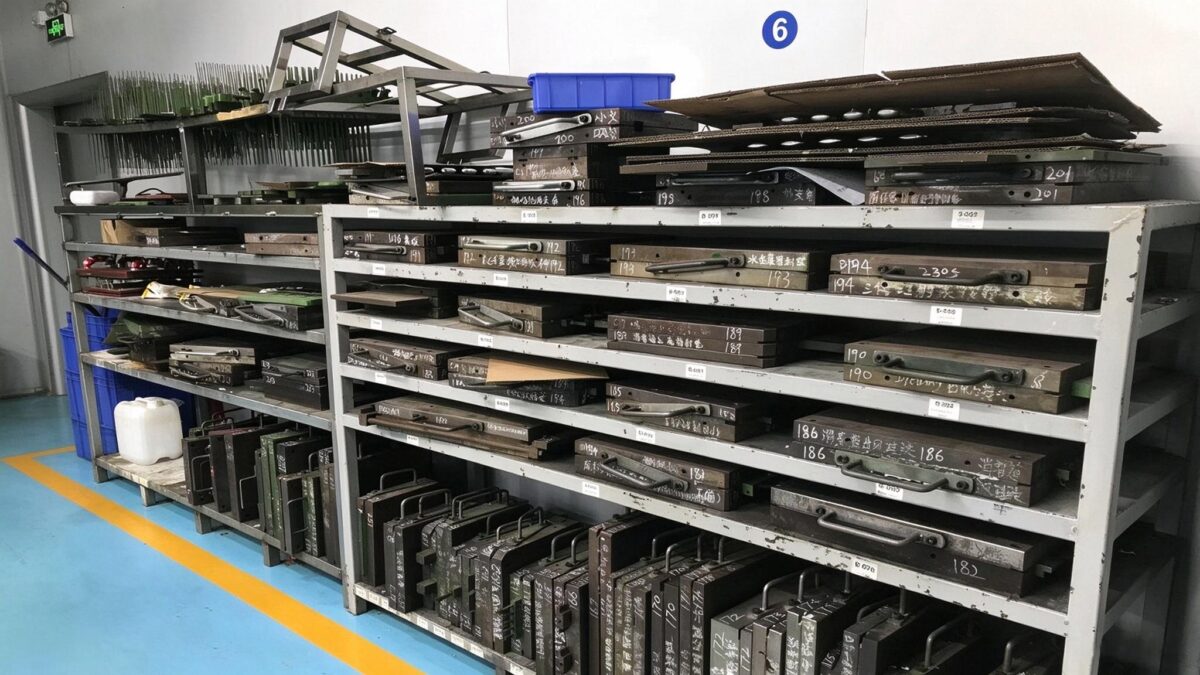
Nearly all production delays come from invisible bottlenecks that never appear on quotation sheets. These small stacking issues are the main cause of silicone manufacturing production delay:
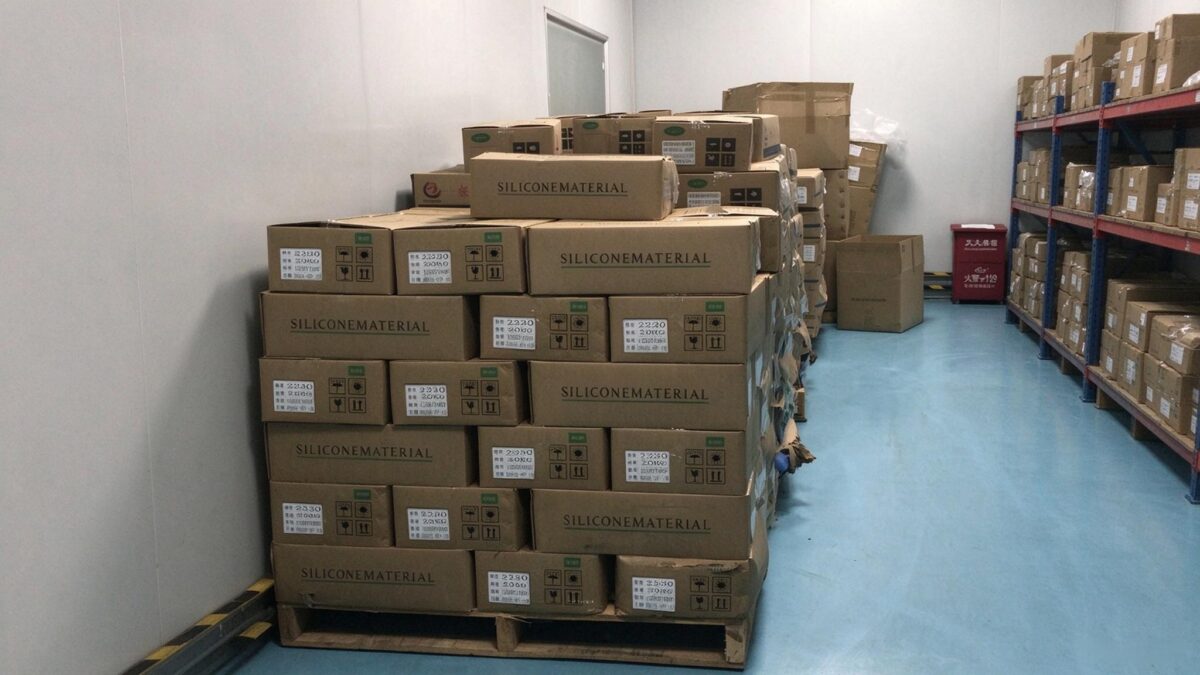
Raw material shortages or batch QC holds. Food-grade or specific-hardness silicone compound often waits longer for incoming batch inspection. If your order requires certified material, stock delays can stall the entire production line.
Mold modifications and rework cycles. First mold trials rarely produce perfect results. Adjustments, polishing, and structural rework require queue time at the tooling shop, pushing schedules back repeatedly.
Repeated sample confirmation rounds. This is the biggest cause of delayed launches. Every revision adds days or weeks of waiting. We broke down why sample evaluations drag production down in Sample Approval Trap: Why Your Silicone Samples Never Match Mass Production. Many timeline issues stem from repeated subjective approvals that should be finalized once.
Production line priority jumping. Factories regularly push urgent long-term client orders ahead of new OEM projects. This standard industry practice remains completely invisible to buyers.
Curing and vulcanization capacity saturation. Oven curing cycles have fixed limits. During peak seasons, overlapping large orders create bottlenecks that delay all downstream processes.
Third-party testing queue delays. Lab certification slots fill up fast at month-end and quarter-end. Compliance testing for silicone products often adds one week or more of unplanned waiting time.
Rework from failed pre-shipment inspection. Defective batch sorting, repairing, or reproducing always happens right before shipping, compressing your buffer timeline to zero.
Custom packaging material delays. Branded boxes, printed inserts, and custom labels rely on third-party suppliers. Late packaging arrivals hold fully finished goods hostage in the warehouse.
How Pre-Procedure Missteps Drag Down Your Production Schedule
Most lead time risks are locked in during pre-production, not during mass production itself. Many buyers treat pre-production checks as a simple formality, which creates hidden schedule failures later.
When samples are approved only by visual check without locked technical parameters, factories face undefined specs mid-run. Unclear hardness tolerance, color standards, or surface finish force production pauses and repeated trial runs.
Color and surface ambiguity creates major rework risks. Inconsistent color matching or undefined coating standards often result in scrapped batches and repeated production. We covered the technical and timeline cost of these mistakes in Beyond Color Matching: How Pantone Precision & Surface Coatings Protect Your Brand’s Premium Feel.
Compliance confusion also creates schedule delays, not just legal risks. Many buyers assume general factory certificates cover custom orders, which is rarely true. Baby-contact silicone goods require batch-specific valid documentation. You can avoid certification delays by reviewing our FDA and LFGB silicone certification guide before confirming ship dates.
What Importers Can Do To Prevent Silicone OEM Order Delays
Buyers cannot fully control factory floor operations, but they can eliminate 80% of delays by locking clear rules before deposit payment.
Demand stage-by-stage timelines instead of one single lead time number. Track material ready date, mold trial date, production finish date, QC completion date, and packed ready date separately.
Confirm exact raw material grade and stock status before scheduling your production window. Always ask for material ETA if stock is not immediately available.
Approve samples with written technical specs, not visual judgment only. Lock hardness, dimensions, Pantone color values, surface finish, and edge tolerance officially.
Start compliance testing during sample phase, never after mass production finishes. Reserve lab testing slots early to avoid peak season queue delays.
Separate packaging lead time confirmation from production timeline. Custom printed packaging is one of the most overlooked delay sources.
Build buffer days between factory ex-works date and your vessel booking to avoid missing shipments from small production slips.
Ask about concurrent large orders during your production window. Transparent factories help you plan realistically instead of overpromising fast delivery.
Quick Checklist to Guard Your Silicone OEM Lead Time
- Request a detailed stage-by-stage production timeline instead of a single lead time figure
- Confirm silicone raw material grade, batch availability, and stock ETA before deposit
- Lock sample approval with written hardness, dimension, color, and finish specs
- Arrange compliance testing and certification during pre-production sample stage
- Confirm mold trial rounds and revision schedule in advance
- Quote custom packaging lead time separately and verify vendor reliability
- Check factory production queue for large priority orders during your window
- Build safety buffer days between production finish and vessel departure
- Schedule pre-shipment inspection early enough for possible rework
Most silicone shipping delays are not caused by one big failure. They happen when multiple small, unmonitored issues stack up unnoticed throughout pre-production and mass production.
At Jarhouselife, we stabilize OEM timelines by pre-stocking standard silicone materials, pre-verifying molds, locking pre-production parameters, and managing schedules stage by stage. This disciplined process supports our custom silicone kitchen goods, baby silicone product collection, and silicone pet supply range for consistent, on-time delivery.
If you are planning OEM or ODM silicone customization including logo, color, packaging, and mold development with tight launch windows, our team can map out a risk-free production timeline for your project.