
Most overseas buyers make their entire judgment call based on the hand sample sitting on their desk. It feels soft. It looks right. The Pantone shade matches your design brief perfectly. Deal confirmed.
Here’s what most importers don’t realize until it’s too late: Making a single sample and running mass production are two completely different operations inside a factory. Different resources. Different priorities. Often, completely different production lines.
Prototype Stage: Hand-finished using a single-cavity mold → Yields perfect cosmetics and zero flash lines. Mass Production Stage: Run on high-speed multi-cavity lines → Higher risk of color shifts, micro-gaps, and surface flash.
The Sample Stage Gets the VIP Treatment
A technician mixes a tiny batch of silicone compound by hand. Color paste gets carefully adjusted until it’s dead-on. Fresh raw material comes straight from a newly opened drum. Someone spends ten minutes trimming the edges with a razor blade to make it flawless.
The factory wants your Purchase Order. So everything gets the careful version.
Bulk Production Is a Different Animal
Line speed goes up. Molds with thousands of cycles behind them start showing subtle wear. Color paste gets mixed in huge batches—sometimes stretched slightly to cover more units. Manual edge-trimming gets rushed to hit hourly output targets. Curing time fluctuates depending on who is managing the night shift.
And that’s how the classic supply-chain nightmare unfolds. Sample approved. Everyone’s happy. The PO goes out.
Six weeks later, your container lands at the warehouse. Suddenly, you’re looking at noticeable color shifts, micro-gaps from uneven shrinkage, a tacky surface finish, and rough parting lines that were never on the prototype.
The retailer rejects the shipment. Your retail shelf plan gets disrupted. You eat the loss.
This gap between the sample and the bulk shipment isn’t bad luck—it’s a structural manufacturing problem that catches first-time buyers off guard every single day.
Why Lab Sample Conditions Never Equal Mass Production Lines
A prototype sample is essentially produced under laboratory conditions, even if it never touches an actual lab bench. It gets controlled heating, low clamping pressure, and undivided personal attention.
Mass production, however, runs under commercial pressure. Bigger mixing vats. Faster cycle times. Less individual handling per unit.
None of this is necessarily intentional fraud—it is simply how factories optimize for speed and unit cost once a contract is signed.
When silicone bulk goods diverge from pre-production samples, it’s rarely a scam. It’s the natural result of moving from a slow, controlled test run to a high-speed production line.
Hidden Manufacturing Parameters That Cause Silicone Batch Inconsistency
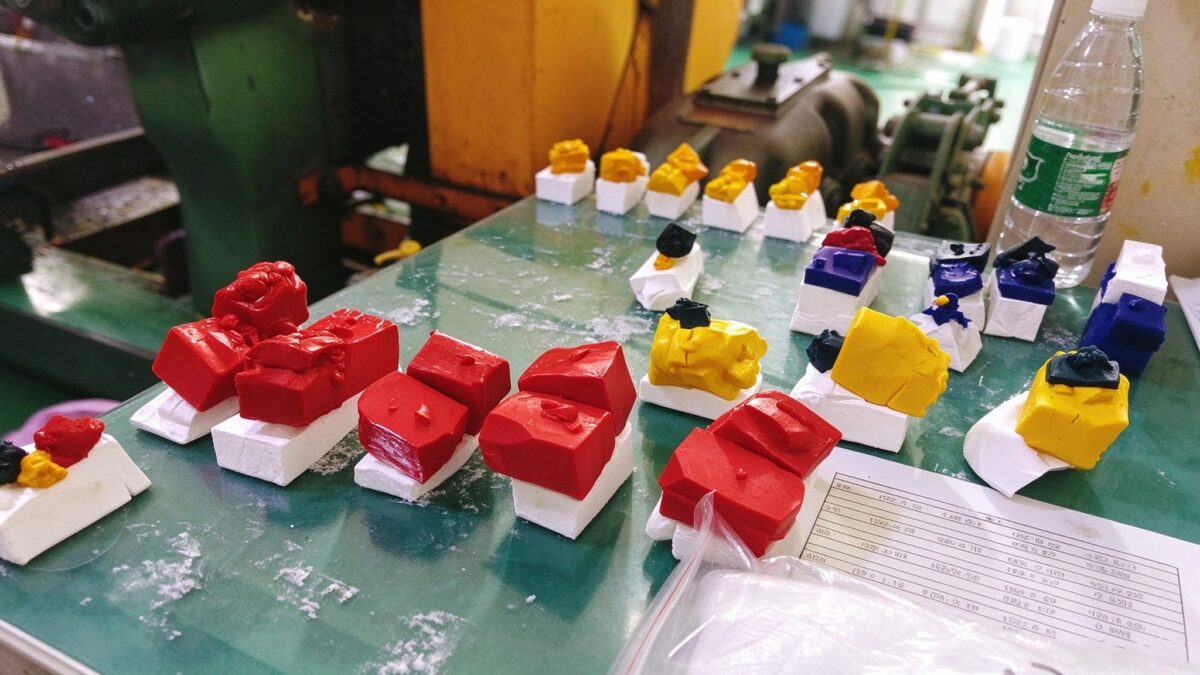
When quality drifts between batches, buyers usually blame the material. But behind the scenes, a handful of unmonitored production variables are usually at fault:
- Raw Material Batch Variance: Silicone compound can vary slightly from drum to drum, especially if a supplier blends batches from different raw material vendors to save costs.
- Mold Temperature Drift: Molds heat up unevenly during continuous 24-hour cycles. Running slightly too hot or too cold shifts both the surface finish and final dimensional shrinkage.
- Shortened Cure Times: Vulcanization time sometimes gets trimmed by a few seconds to speed up output under tight delivery deadlines. Under-cured silicone looks acceptable out of the mold, but releases strong chemical odors later.
- Overused Release Agents: Spraying extra mold release agent speeds up demolding, but leaves a greasy residue that alters surface texture and causes logo printing to peel.
- Skipped Manual Trimming: Sample edges get painstakingly trimmed by hand. Bulk goods often go straight to automated de-flashing, leaving minor burrs along the seams.
- Diluted Color Pigments: Large pigment batches are sometimes stretched with base compound. This is the root cause of washed-out or greenish color shifts in branded SKUs, as we covered in 【Beyond Color Matching: How Pantone Precision & Surface Coatings Protect Your Brand’s Premium Feel 】.
Any single factor here might pass a quick visual inspection. Stack two or three together across a 10,000-unit order, and you end up with a shipment that looks nothing like the item you approved.
The “Visual-Only” Approval Mistake

The most common trap in overseas sourcing? Approving a sample based strictly on how it looks in your hands. No written technical specs. No documented tolerance ranges. No measurable benchmark for the factory to hit during full-scale manufacturing.
Look and feel are entirely subjective. What actually protects your brand is forcing the supplier to verify quality using hard numbers—durometer hardness readings, exact dimensional tolerances, Pantone color values, and logged curing parameters per batch.
Without documented specifications, “sample approval” just means you liked a single prototype on a specific afternoon. It gives you zero leverage when the bulk shipment arrives with defect issues weeks later.
How Smart Importers Prevent Sample vs. Bulk Mismatches
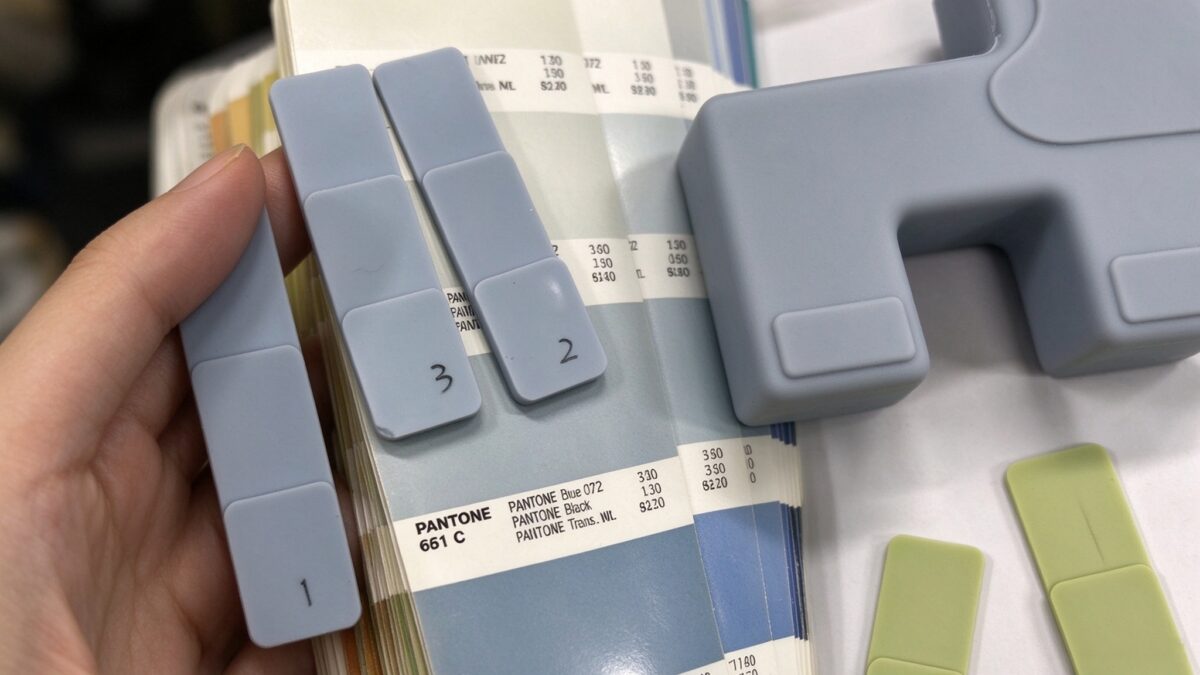
Closing the gap between prototype and mass production doesn’t require complex engineering—it just requires strict protocols before paying your deposit:
- Order a Pre-Production (PP) Trial Run: Never move straight from a hand-finished prototype to full production. Request a small pre-production run made directly on the bulk production mold.
- Lock Engineering Parameters in Writing: Document mold temperature ranges, curing times, Shore A hardness specs, and material sources in your supplier agreement before mass production starts.
- Retain Physical Samples: Keep a physical, sealed counter-sample in your office to compare against incoming sea freight—not just a vague memory of what the sample looked like.
- Demand Batch-Level Compliance Reports: Generic, single-page test reports mean very little. Require batch-matched inspection records, especially for baby items where safety limits are strict. It’s worth reviewing our 【FDA and LFGB silicone certification guide 】 for sourcing rules for children’s silicone goods.
Quick Checklist for Silicone Quality Consistency
- Request a Pre-Production (PP) sample pulled directly from the multi-cavity mass production mold.
- Define Shore A hardness tolerances in writing using a calibrated durometer.
- Lock in parting line flash limits to avoid sharp edges or burrs.
- Confirm raw material batch consistency and demand current batch-matched lab reports.
- Retain a signed counter-sample physically at your office for post-shipment comparison.
- Establish a formal pre-shipment inspection standard before paying the deposit.
None of this eliminates every risk in custom overseas manufacturing. But it closes the biggest loop: the gap between what you approved on your desk and what actually rolls off the container.
At Jarhouselife, we run pre-production trial batches, lock manufacturing parameters in writing, and retain physical counter-samples for every client project. Whether you are launching custom silicone kitchen goods , baby silicone product collection , or silicone pet supply range , we help B2B buyers eliminate mass production surprises from day one.
If you are working on OEM or ODM silicone projects and want logo, color, packaging or mold customization built with this level of consistency, feel free to reach out and walk through your project with our team.